Nașii: Romania's Enduring Bond of Godparenthood
In Romania, becoming a godparent is more than a ceremonial role—it creates a lifelong family tie with spiritual and social obligations.
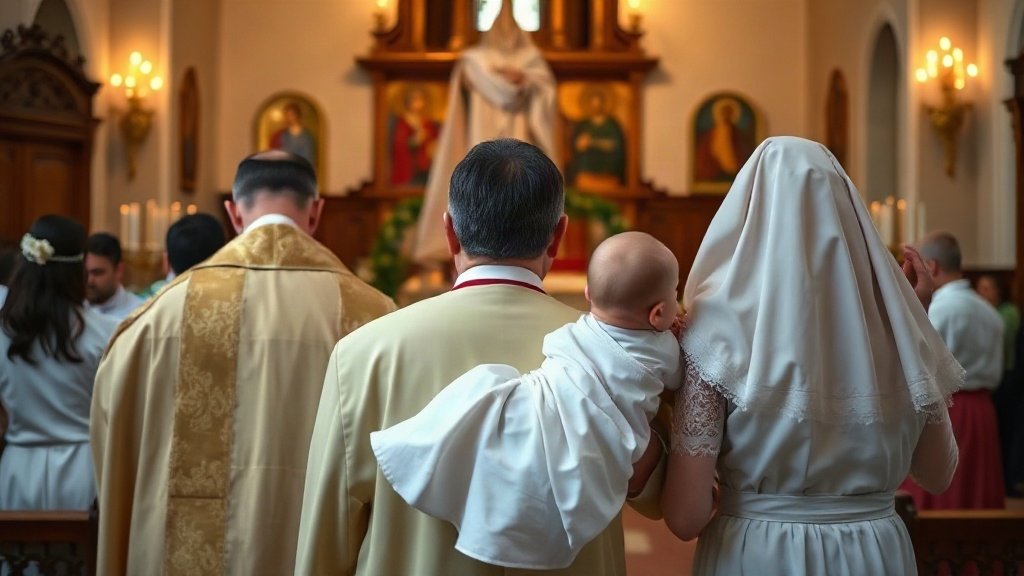
Illustration: AI-generated image
In Romania, the choice of godparents—known as nașii (singular naș or nașă)—is one of the most important decisions a family can make. Far from being a one-day honour at a christening, the role forges a permanent bond between two families, rooted in Orthodox tradition but embraced across Romanian society.
Choosing the Nași
Parents typically select a married couple who are close friends or relatives, and the invitation is considered a great honour. Refusing, unless for serious reasons, is rare and can cause lasting offence. The nași must be Orthodox Christians in good standing, as they will speak for the child's faith during the baptism ceremony. In practice, the couple is also expected to be pillars of support, offering guidance and help as the child grows.
The Ceremony and Beyond
At the baptism, the nași hold the child, recite the Creed, and formally take on the responsibility of nurturing the child's spiritual life. But the bond does not end there. The godparents become cumătri to the parents—a term that signals a special kinship. From that moment, the two families address each other as cumătru and cumătră, and a set of unwritten rules governs the relationship.
Spiritual Kinship
The tie is so strong that, in traditional communities, marriage between members of the two families remains forbidden for several generations, as they are considered spiritually related. This practice, rooted in church law, underscores the depth of the bond. While modern couples may not always observe this rule strictly, the concept of rudenia spirituală (spiritual kinship) still carries weight, especially in rural areas.
A Lifelong Commitment
Godparents are expected to be present at key moments in the godchild's life: first communion, marriage, and often major holidays. They traditionally bring gifts, and in some regions, they contribute financially to important celebrations. In return, godchildren honour their nași, seeking their blessing on important occasions. The relationship is mutual: the nași gain a second family, and the parents gain trusted allies in raising their child.
The bond also extends to practical matters. In times of hardship, godparents are expected to offer help, and in return, they can count on the godchild's family in their own times of need. This mutual support network has deep roots in a society where extended family and community ties have long been essential for survival.
The tradition has regional variations in details—such as the gifts given or the number of godparents—but the core meaning remains the same. For expats or visitors attending a Romanian baptism, understanding this custom offers a window into the country's social fabric. If you are ever asked to be a naș, know that you are being invited into a lifelong kinship—an honour that carries both joy and responsibility.