How to Send a Parcel in Romania: A Practical Guide
From choosing the right packaging to tracking your delivery, here's what you need to know about sending parcels within Romania and abroad.
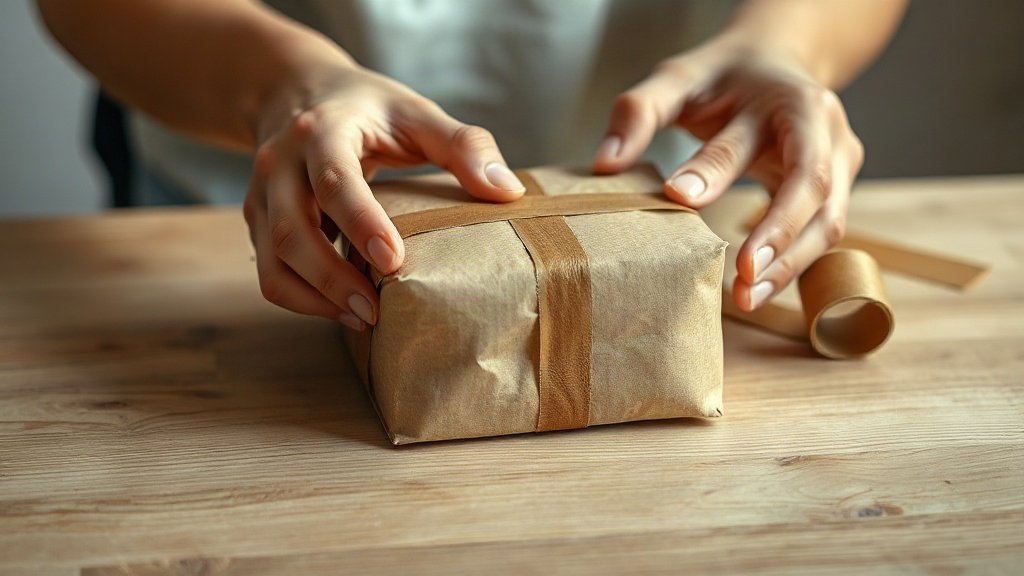
Illustration: AI-generated image
Sending a parcel in Romania is straightforward once you understand the basics. Whether you're posting a gift to a friend, returning an online purchase, or sending documents to another city, a little preparation goes a long way.
Prepare your parcel
Start with a sturdy cardboard box or a padded envelope, depending on the contents. Make sure the packaging is large enough to allow for cushioning material on all sides. Use strong packing tape to seal all edges, and reinforce the bottom if the box is heavy.
- Wrap fragile items individually in bubble wrap or newspaper.
- Fill empty spaces with crumpled paper, foam peanuts, or air pillows to prevent movement.
- Place liquids in leak-proof containers inside a sealed plastic bag.
- Remove or cover any old labels and barcodes on reused boxes.
Address it correctly
Romanian addresses follow a specific order. Write the recipient's name first, then the street name and number, followed by the block, entrance, and apartment if applicable. Next comes the postal code and city, and finally the county. Always use block capitals and write clearly, especially for handwritten labels. If you're sending to a rural area, include the village and commune names.
Choose a delivery method
You have two main options: the national postal service or private courier companies. The national postal service is often more economical for non-urgent items and offers basic tracking for most destinations. Private couriers provide faster delivery, door-to-door service, and detailed online tracking, but at a higher cost. Many couriers also offer drop-off points at local shops, which can be convenient if you're not home during the day.
International parcels
For sending abroad, you will need to complete a customs declaration form. This lists the contents, their value, and the reason for sending (e.g., gift, documents, commercial goods). Be honest and specific, as inaccurate declarations can cause delays or fines. Some countries restrict certain items, such as food, plants, or batteries; check the destination country's rules before posting. Remember that international parcels may be subject to customs duties and taxes, which are usually paid by the recipient.
Tracking and delivery
Most services provide a tracking number that lets you follow your parcel's journey online. Keep this number until delivery is confirmed. If a delivery attempt fails, the courier usually leaves a notice with instructions for redelivery or collection from a local depot. For the national postal service, unclaimed parcels are typically held at the post office for a limited period before being returned to the sender.
With the right packaging and a clear address, your parcel will reach its destination safely. Whether you choose the postal service for value or a courier for speed, the process is simple once you know the steps.