Cluj-Napoca: A First-Timer's Guide to Romania's Cultural Hub
Discover the lively heart of Transylvania with this practical guide to Cluj-Napoca, from historic landmarks to local food and day trips.
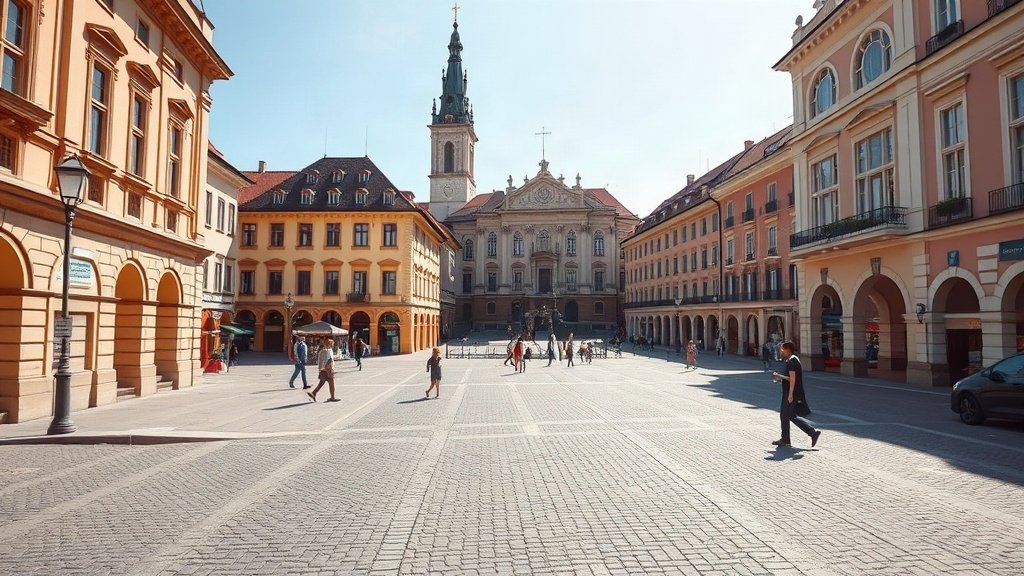
Illustration: AI-generated image
Often called the unofficial capital of Transylvania, Cluj-Napoca is a city that blends centuries of history with a youthful, creative energy. Home to one of Romania’s largest universities, it buzzes with students, tech start-ups, festivals and a thriving café culture. For travellers, Cluj is an ideal base: compact enough to explore on foot, yet rich in architecture, green spaces and nearby natural wonders.
Why visit Cluj-Napoca?
Cluj is a city of contrasts. Medieval churches and baroque palaces stand alongside contemporary art galleries and repurposed industrial buildings. Its multicultural past—Romanian, Hungarian and Saxon influences all remain visible—has left a fascinating urban fabric. The city also serves as a gateway to the Apuseni Mountains and the rolling hills of rural Transylvania, making it popular with hikers, cyclists and slow travellers.
Getting around
The old town is best explored on foot; most key sights sit within a walkable radius of the central square. For longer distances, the city has an efficient public transport network of buses, trolleybuses and trams. Many visitors also use taxis or ride-hailing apps, which are widely available. Cycling is possible, though dedicated lanes are limited in the centre.
Top things to see
- St. Michael’s Church – A Gothic landmark on the main square, its tower dominates the skyline. The church dates to the 14th century and is a symbol of the city.
- Union Square (Piața Unirii) – The historic heart of Cluj, surrounded by pastel-coloured buildings, outdoor cafés and the imposing statue of Matthias Corvinus.
- Central Park and Casino Building – A leafy retreat along the Someș River, with a boating lake and a faded but elegant 19th-century casino building that now hosts cultural events.
- Botanical Garden – One of the finest in south-eastern Europe, with themed sections including a Japanese garden and a large greenhouse complex.
- Tailors’ Bastion – A well-preserved fragment of the old city walls, now a small museum and viewpoint over the historic centre.
Food and drink
Cluj’s food scene is lively and diverse. Traditional Transylvanian dishes—such as hearty soups, stuffed cabbage and chimney cakes—are easy to find. The city also has a strong international presence, from Middle Eastern to Asian and Italian eateries. Coffee culture is particularly strong, with numerous independent cafés serving locally roasted beans. For a local drink, try a glass of palincă (fruit brandy) or a craft beer from one of the region’s many microbreweries.
Day trips from Cluj
If you have extra time, the surrounding area offers plenty. The Turda Salt Mine lies about 30 km south, an underground wonder with a lake and amusement facilities. For hikers, the Apuseni Mountains to the west offer trails through karst landscapes, caves and traditional villages. The fortified church at Viscri, a UNESCO site, is a longer but rewarding drive into the Saxon heartland.
Practical tips
- Best time to visit: Late spring and early autumn offer mild weather and fewer crowds. Winters can be cold but festive, with Christmas markets in the main square.
- Language: Romanian is the official language. English is widely spoken among younger locals and in tourist areas, but a few basic phrases are appreciated.
- Currency: Romania uses the leu (RON). Credit cards are accepted in most urban establishments, but carry some cash for small purchases or rural excursions.
- Etiquette: Romanians are generally warm and hospitable. A simple greeting goes a long way; when entering shops or restaurants, a polite “bună ziua” (good day) is customary.
Whether you come for the history, the food or the mountains, Cluj-Napoca offers a laid-back yet culturally rich experience. It is a city that invites you to wander, linger and discover its many layers.